The spice scale
Romance spice levels, explained
Spice measures how explicit the sex scenes are, and how many there are. Our 1 to 5 scale follows the steam levels readers already use, so a 4 here means what you think it means.
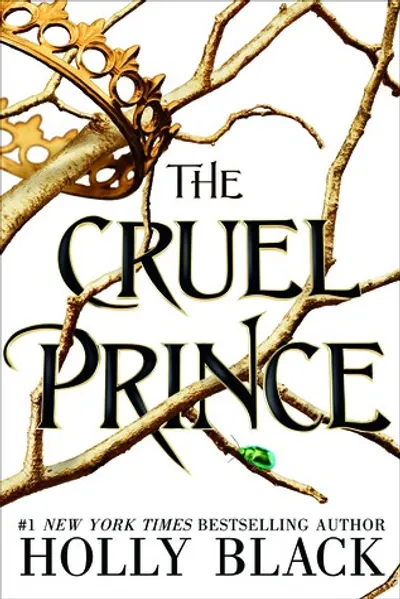
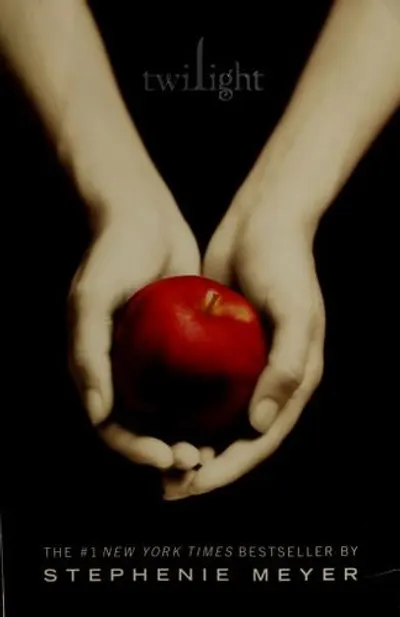
1 · Sweet
Kisses only · Glimpses and kisses
Kissing, longing looks, maybe a fade-to-black. Nothing on the page.
14 books →

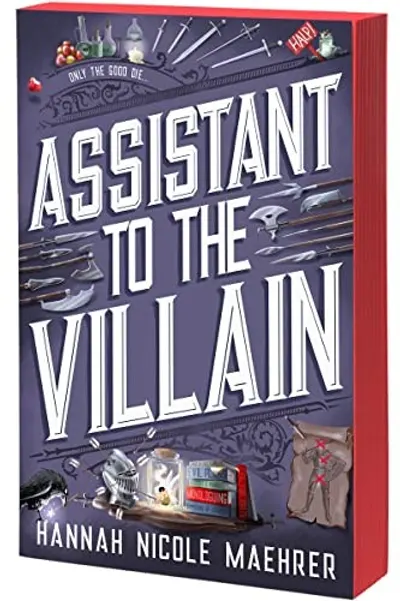
2 · Simmer
Closed door · Behind closed doors
Sex happens, but the door closes (or it is brief and non-graphic). Tension without the details.
16 books →

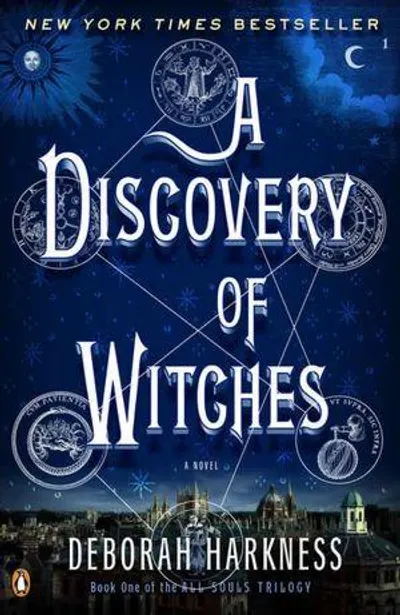


3 · Steamy
Open door · Open door
On-page sex scenes, a handful of them, with some detail. Spice supports the plot.
67 books →
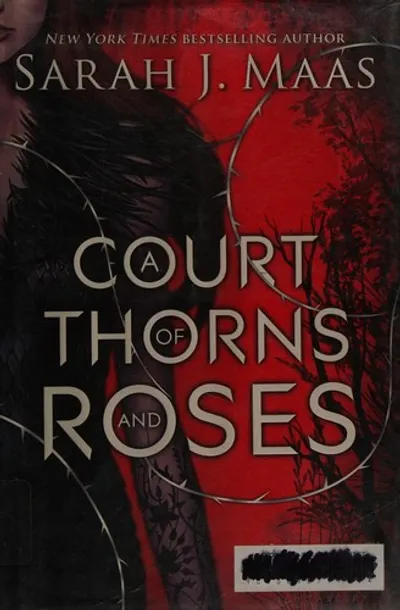



4 · Spicy
Explicit · Explicit open door
Explicit, detailed scenes and several of them. The famous "perfect 4": real plot, real smut.
93 books →
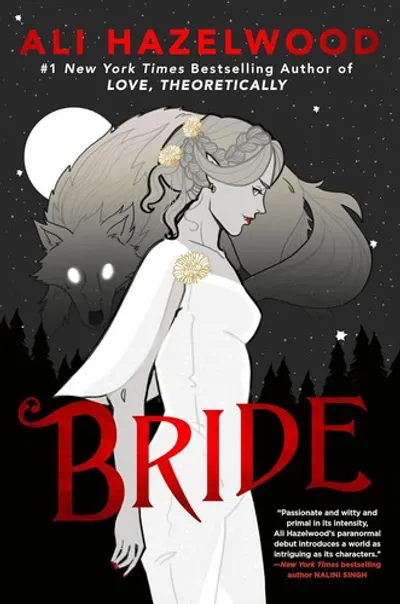



5 · Scorching
Explicit & plentiful · Explicit and plentiful
Frequent, very explicit and often kinky. Spice is a main event. Read with a fan nearby.
27 books →


Spice scale FAQ
What does spice level mean in romance books?
Spice is how explicit the sex scenes are, and how many there are. A 1 is kisses only, a 3 has a few open-door scenes, and a 5 is very explicit and frequent. It says nothing about how good or how dark the book is.
Is this the same spice scale other readers use?
Yes. It follows the steam levels romance readers already talk in: 1 glimpses and kisses, 2 behind closed doors, 3 open door, 4 explicit open door, 5 explicit and plentiful. If you know you want a 4, filter for a 4 here.
What is a 4 on the spice scale?
Several explicit, detailed scenes in a book that still has a real plot. It is the most requested level: plenty of heat without the plot being an afterthought.
What does "spice starts late" mean?
We note roughly when the first explicit scene arrives. A slow-burn 4 with late spice can mean 300+ pages of tension first, which is perfect for some readers and torture for others.
Do you rate dark content as spice?
No. Spice is only about sex scenes. Dark themes, violence and consent issues live in content warnings, which you can rule out separately in the finder.